
Independent Living

"Aging In Place"

Is Independent Living Right for Your Loved One?

When deciding if elderly parents can live by themselves, assess their ability to manage daily tasks, including personal hygiene, meal preparation, medication management, and household chores. Evaluate their mobility and fall risk, cognitive function (memory, judgment, orientation), and emotional well-being (signs of isolation, depression, or confusion). Also, check for home safety hazards and their ability to handle finances and emergencies.

Mobility & Safety

Assess walking stability, fall risk, and navigation around the home.

Cognitive Awareness

Watch for memory loss, confusion, or poor decision-making.

Emotional Wellness

Look out for signs of depression, isolation, or anxiety.

Aging In Place – Full Assessment

Complete our detailed assessment to give us a full picture of your loved one’s needs and preferences for independent living.

Aging In Place – Short Form

Share basic details about your loved one’s living situation and care needs. This quick form helps us understand their support requirements

Key Considerations for Independent Living

These are common questions and answers assessing if your elderly parent can live independently
What in-home support services are available?
An advisor can detail services like meal delivery, personal care, and medication management.
They can recommend professional assessments to gauge your parent’s safety and independence.

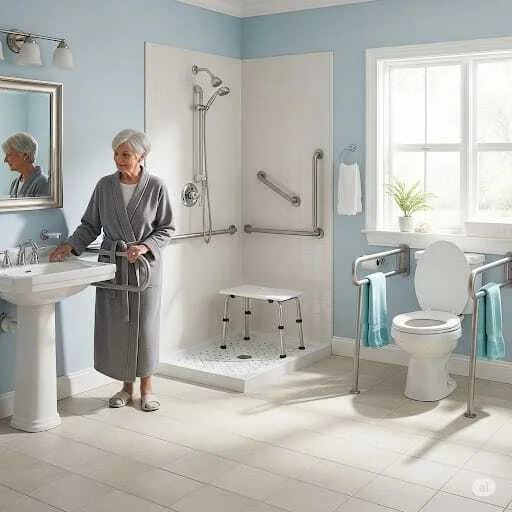
The advisor can suggest home
modifications, such as grab bars and ramps, and where to find contractors.

Learn to recognize red flags like frequent falls, poor hygiene, or missed medications.
They can discuss monitoring systems, medical alert devices, and smart home technology.
An advisor can guide you on powers of attorney, healthcare directives, and managing finances.
Get a clear breakdown of expenses for various care options.
They can connect you with local senior centers, transportation services, and social programs.