
What Every Senior Should Know About Legal & Legacy
Most people think estate planning is just about “who gets the house.” But for seniors in 2026, it is equally about maintaining control over your own life while you are still living. Without the right documents, a stranger or the courts could make your medical and financial decisions for you.
This issue covers the “Big 4” legal documents every adult needs, the critical difference between a Will and a Trust, and the modern necessity of planning your Digital Legacy
The “Big 4” Essential Documents
- Medical Power of Attorney (Healthcare Proxy)
- Designates a specific person to make medical decisions for you if you cannot (e.g., you are under anesthesia or in a coma). Choose someone who can handle stress and advocate for your wishes.
- Living Will (Advance Directive)
- Provides written instructions for your care. It defines your preferences on life support, resuscitation (DNR), and tube feeding. It guides your proxy so they don’t have to guess.
- Durable Financial Power of Attorney
- Authorizes a trusted person to pay your bills, manage investments, and handle property if you are incapacitated. Without this, your family may need to sue for guardianship just to access your bank account to pay for your care.
- Last Will and Testament
- The foundational document that dictates who inherits your assets after you pass away. It also allows you to name a guardian for any minor children.
Will vs. Living Trust: Which Do You Need?
Many seniors assume a Will is enough, but a Will guarantees probate court. A Revocable Living Trust can avoid it entirely.
| Last Will | Revocable Living Trust | |
|---|---|---|
| When it Works | Only after death. | Immediately (during life & death). |
| Probate Court | Yes. Must go through public court. | No. Bypasses court entirely. |
| Privacy | Public Record. | Private |
| Incapacity | Does nothing. | Successor Trustee manages assets. |
| Cost | Lower upfront ($). | Higher upfront ($$$), saves later. |
The Digital Estate
Your “digital afterlife” is often overlooked. If family members log into your accounts after you pass without authorization, they may be violating federal hacking laws or Terms of Service. You need a plan.
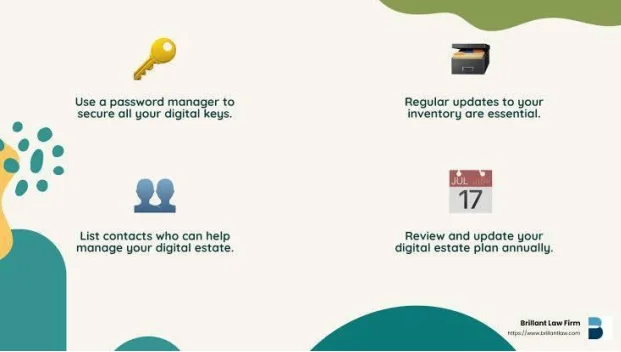
- Inventory: List all accounts: Banking, Social Media, Email, Crypto, and Cloud Photo Storage.
- Access: Use a Password Manager (like LastPass or 1Password) and leave the “Master Password” to your executor.
- Legacy Contacts: Set up “Legacy Contacts” inside Apple ID, Facebook, and Google. This officially authorizes them to access data.
The Heart Legacy: Ethical Wills
While a legal will distributes valuables, an Ethical Will (or Legacy Letter) distributes values. It is a non-binding letter sharing your hopes, blessings, life lessons, and forgiveness with your family.
- Core Values: What beliefs guided your life? (e.g., “Honesty above profit”)
- Important Stories: The history of your family name or how you met your spouse.
- Forgiveness: Asking for it or granting it to resolve old conflicts.
- Hopes for the Future: Your wishes for your grandchildren’s paths.
Assess Your Situation
Use this simple interactive tool to evaluate you Holistic Wealth situation